


Protecting your smile matters even more when you’re wearing braces. Whether you’re a teen playing contact sports, a parent helping your child stay safe on the field, or an active adult trying to avoid setbacks during treatment, mouth guards often come up as a key piece of protection. One of the most common questions orthodontists hear is whether a regular mouth guard is enough—or if braces require something different.
Choosing the right mouth guard with braces is not just about comfort. It determines how well your teeth stay protected, whether your braces remain intact, and how smoothly your orthodontic treatment moves forward. Understanding the differences can help you avoid unnecessary injuries, broken brackets, or treatment delays.
Why Mouth Guards Are Important with Braces
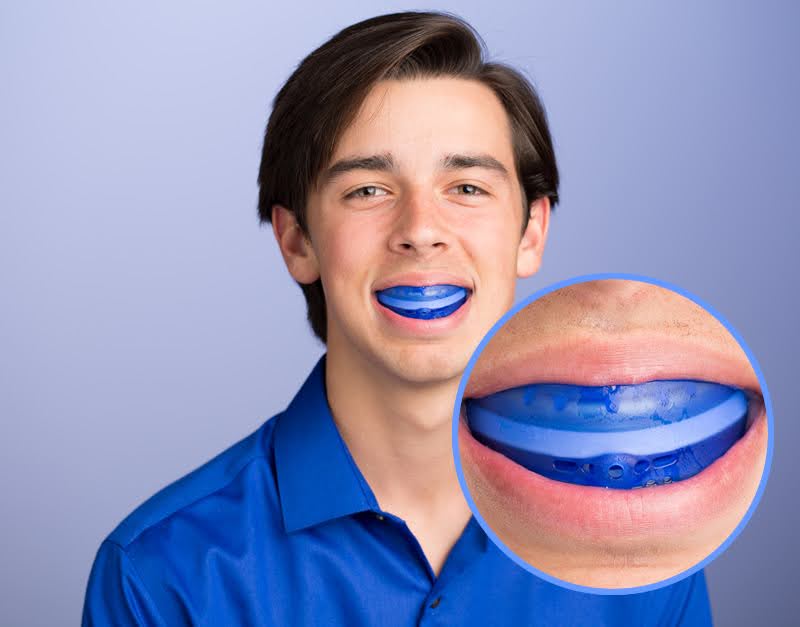
Braces change the shape and surface of your teeth, which increases the risk of injury during physical activity. When brackets and wires sit unprotected, even a minor impact can cause problems beyond a sore lip.
Without proper protection, athletes with braces may face:
- Chipped or fractured teeth from direct contact
- Broken brackets or bent wires that require emergency repairs
- Cuts and irritation to the lips, cheeks, and gums
A well-fitted mouth guard acts as a cushion. It absorbs impact, spreads out force, and creates a barrier between your braces and soft tissues. This added layer of protection can make a meaningful difference during sports, recreational activities, and even accidental falls.
Can You Use a Regular Mouth Guard with Braces?
Technically, some people do wear standard mouth guards over braces. However, that does not mean they are a good or safe option.
Most standard mouth guards protect teeth without braces in mind. They tend to fit tightly and may not allow room for brackets or ongoing tooth movement. When forced over braces, they can press on brackets, shift wires, or restrict normal orthodontic progress. In some cases, removing a tight-fitting guard can even pull brackets loose.
While a regular mouth guard may seem convenient, it often provides limited protection and can introduce new risks. For braces, the design and flexibility of the guard matter just as much as wearing one at all.
Risks of Using a Regular Mouth Guard with Braces
Using a standard mouth guard that isn’t designed for braces can lead to several issues:
- Poor fit: Regular guards may not accommodate brackets or tooth movement
- Bracket damage: Tight pressure can loosen or break orthodontic hardware
- Limited protection: Ill-fitting guards may not absorb impact effectively
- Discomfort: Pressure points can irritate gums and soft tissues
These risks are why orthodontists usually recommend braces-friendly alternatives instead of traditional stock guards.
Types of Mouth Guards for Braces
Not all mouth guards are created equal. Understanding your options can help you choose a safer solution that works with your braces, not against them.
Stock Mouth Guards
These are pre-formed and ready to wear. They are inexpensive but offer the least protection and rarely fit well over braces.
Boil-and-Bite Mouth Guards
These guards soften in hot water and are shaped in the mouth. Some versions can be used with braces, but many still fit too tightly or lose shape as teeth move.
Braces-Specific Mouth Guards
A mouthguard for braces is designed with extra space and flexibility to accommodate brackets and wires. These guards are often recommended for active patients because they balance protection and comfort.
Custom Orthodontic Mouth Guards
Custom guards are made from impressions or digital scans. They provide the best fit and protection, especially for contact sports, and are often considered the safest sports mouth guard for braces option.
Comparison Table – Regular vs Braces Mouth Guards
| Feature | Regular Mouth Guard | Braces Mouth Guard |
|---|---|---|
| Fit | Tight, limited space | Designed to fit over braces |
| Protection Level | Moderate | High |
| Comfort | Often uncomfortable | More comfortable |
| Safety for Braces | Risk of damage | Braces-friendly |
| Recommended Use | Teeth without braces | Active patients with braces |
How to Choose the Best Mouth Guard When You Have Braces
Selecting the right guard doesn’t have to be complicated. A step-by-step approach can help narrow your choice:
- Consider activity level: Contact sports usually require higher protection
- Think about sport type: Falls, collisions, or fast-moving objects increase risk
- Factor in age: Growing teens may need guards that adjust as teeth move
- Account for treatment stage: Early treatment often needs more flexibility
When in doubt, your orthodontist can guide you toward an option that protects both your teeth and your braces.
Mouth Guards for Braces vs Invisalign
Protection needs differ depending on the type of orthodontic treatment. Traditional braces require coverage for brackets and wires, while Invisalign aligners are removable and create a smoother surface.
Patients using clear aligners may remove them during sports and wear a standard athletic guard, depending on the activity. However, those in braces usually need a guard specifically designed to fit over brackets. For patients exploring treatment options like Invisalign White Plains, understanding these differences can help set expectations for sports safety during care.
Meet the Orthodontic Team
Orthodontic care is about more than appliances—it’s about guidance and support throughout treatment. At Michael Sokoloff Orthodontics, patients benefit from the combined experience of Dr. Michael Sokoloff and Dr. Matt Campbell, who focus on patient comfort, safety, and long-term results. Their approach emphasizes practical solutions that fit real-life routines, including sports participation and active lifestyles, helping patients stay protected while progressing through orthodontic care.
Areas We Serve
This orthodontic team proudly supports patients from:
- White Plains, NY
- Elmsford, NY
- Westchester County
- Scarsdale, NY
Families from these communities often ask about safe ways to stay active during orthodontic treatment, and mouth guard guidance is a frequent topic.
Frequently Asked Questions
Can braces be damaged by sports?
Yes. Without proper protection, impacts can break brackets or bend wires.
Do kids with braces need a special mouth guard?
In most cases, yes. Braces-specific guards provide better fit and safety.
How often should a braces mouth guard be replaced?
It should be checked regularly and replaced if it no longer fits comfortably.
Can I wear a mouth guard all day with braces?
Mouth guards are designed for activity, not continuous wear.
Is a custom mouth guard worth it for braces?
For frequent or contact sports, custom guards often offer the best protection.
Can a boil-and-bite guard work with braces?
Some can, but many do not fit well as teeth shift.
What happens if a mouth guard is too tight?
It can damage brackets or restrict tooth movement.
Schedule a Consultation for Mouth Guard Guidance
If you or your child wears braces and stays active, getting the right mouth guard can help prevent injuries and avoid treatment setbacks. A quick orthodontic consultation can clarify whether your current mouth guard is appropriate and what options offer the best protection during sports and physical activity.
At Michael Sokoloff Orthodontics, patients receive practical guidance based on their treatment stage, activity level, and orthodontic needs. Scheduling a visit is a simple way to protect your braces, support healthy tooth movement, and stay confident while remaining active during treatment.
 Facebook
 Instagram
 Twitter