


Quick Answer: Yes, Invisalign can fix certain cases of crossbite and underbite, particularly when the issue is caused by tooth positioning rather than jaw structure. Mild to moderate dental bite problems often respond well to clear aligners. However, more complex or skeletal bite issues may require braces or additional orthodontic treatment to achieve a stable, long-term result.
Many teens and adults dealing with crossbite and underbite are drawn to Invisalign because they want a treatment option that fits more naturally into daily life. Clear aligners are discreet, removable, and increasingly common—but patients often wonder whether they are truly effective for correcting bite problems or if braces are still necessary. The reality sits somewhere in the middle. Invisalign can successfully correct certain bite issues, but it has clear limitations, especially when jaw structure plays a major role. Understanding where Invisalign works well—and where it does not—helps set realistic expectations before starting treatment.
At Michael Sokoloff Orthodontics, we help patients determine whether Invisalign or traditional braces is the right solution based on the severity of the bite issue and overall jaw alignment.
This guide explains how crossbite and underbite develop, why they matter for long-term oral health, and how Invisalign compares to braces when bite correction is the goal.
What Are Crossbite and Underbite?
A healthy bite allows the upper teeth to sit slightly in front of the lower teeth, with even contact across the mouth. When that balance is disrupted, bite problems can develop.
A crossbite occurs when one or more upper teeth sit inside the lower teeth instead of outside them. This can affect the front teeth, the back teeth, or both, and may appear on one side of the mouth or across the entire bite. Some patients naturally shift their jaw to make their teeth fit together, which can mask the problem at first but often leads to uneven strain over time.
An underbite is present when the lower front teeth extend in front of the upper front teeth. In some cases, this is caused by tooth positioning alone. In others, it reflects a mismatch in jaw size or position, where the lower jaw sits too far forward or the upper jaw is underdeveloped. The distinction between these causes is critical when deciding whether Invisalign is an appropriate solution.
Both conditions affect more than appearance. They influence how evenly force is distributed during chewing and how comfortably the jaw functions day to day.
Why Bite Issues Shouldn’t Be Ignored
Bite problems often develop gradually, which is why many patients live with them for years before seeking care. Even when discomfort is minimal early on, the long-term effects can be significant.
When teeth do not meet evenly, certain areas of the mouth take on more pressure than they are designed to handle. This can contribute to accelerated tooth wear, enamel damage, and increased sensitivity. Teeth that are pushed outside the ideal bone position may also be more prone to gum recession over time.
Jaw strain is another common concern. When the bite is off, the muscles and joints that guide jaw movement often work harder to compensate. This can lead to soreness, tightness, or fatigue, especially after chewing or waking in the morning. From a functional standpoint, uneven chewing patterns can also make eating less efficient and comfortable.
For these reasons, orthodontic treatment for bite issues is often recommended not just to straighten teeth, but to support long-term comfort and oral health.
How Invisalign Works for Bite Correction
Invisalign uses a series of custom-designed aligners that gradually move teeth into their planned positions. Each aligner applies controlled pressure based on a digital treatment plan created by the orthodontist. Over time, this can influence how the upper and lower teeth fit together.
With clear aligners for bite correction, treatment planning is highly precise. Tooth movement is mapped in three dimensions, allowing for gradual changes that improve alignment and bite contact. Small tooth-colored attachments may be placed on certain teeth to give the aligners better grip, and elastics are often used to help guide the jaws into a healthier relationship.
One important limitation is that aligners primarily move teeth, not bones. This is why understanding whether a bite issue is dental or skeletal is so important. Dental problems—where teeth are tipped, rotated, or positioned incorrectly—often respond well to Invisalign. Skeletal problems—where the jaw itself is the main issue—may require additional or alternative treatment approaches.
Can Invisalign Fix a Crossbite?
In many mild to moderate cases, Invisalign for crossbite can be effective. Aligners are particularly useful when the crossbite involves a limited number of teeth and when the jaw relationship itself is relatively balanced. By widening the dental arch slightly or repositioning individual teeth, Invisalign can help bring the bite into better alignment.
Success is more likely when the crossbite is dental in nature rather than caused by a significantly narrow upper jaw. When skeletal factors are involved, aligners alone may not provide enough expansion or control. In those situations, braces or other orthodontic appliances may be recommended to achieve a stable result.
For patients who fall within the right criteria, Invisalign can offer a discreet and comfortable way to correct a crossbite without relying on traditional brackets and wires.
Can Invisalign Fix an Underbite?
Underbites tend to be more complex than crossbites, especially when jaw position is involved. Invisalign may be an option for mild underbites that are primarily caused by tooth positioning. In these cases, aligners can be used to reposition the front teeth and improve how the upper and lower arches meet.
When an underbite is driven by jaw structure, however, Invisalign has clear limitations. Aligners cannot reposition the jaw itself, which means they may only partially improve the bite or fail to address the underlying issue. In moderate to severe skeletal underbites, braces combined with elastics, growth-guiding appliances for younger patients, or even jaw surgery in adults may be necessary.
Understanding these boundaries helps patients avoid frustration and ensures that the chosen treatment can realistically deliver the desired outcome.
Invisalign vs Braces for Crossbite and Underbite
The decision between Invisalign and braces depends on the type and severity of the bite problem, as well as the level of control required to correct it.
| Bite Type | Invisalign Suitability | Braces Suitability | Treatment Considerations |
|---|---|---|---|
| Mild crossbite | Often effective | Effective | Dental-only corrections respond well |
| Moderate crossbite | Sometimes effective | Very effective | Jaw width and tooth movement matter |
| Severe crossbite | Limited | Preferred | May require expansion or combined care |
| Mild underbite | Sometimes effective | Effective | Elastics often required |
| Moderate skeletal underbite | Limited | Preferred | May involve multiple appliances |
| Severe skeletal underbite | Not suitable alone | Combined with surgery | Focus on jaw position |
This comparison highlights why a professional evaluation is essential before choosing a treatment path.
When Braces or Other Orthodontic Treatments Are Needed
There are situations where braces or a combination of orthodontic approaches offer better control than aligners alone. Complex tooth movements, significant jaw discrepancies, and cases requiring substantial vertical or rotational correction often respond more predictably to braces.
For growing patients, early orthodontic intervention may help guide jaw development and reduce the severity of bite problems later in life. For adults with pronounced skeletal concerns, braces combined with surgical planning may provide the most stable and functional result.
The goal is not to choose the most popular treatment, but the one that best supports long-term oral health and bite stability.
What an Invisalign Evaluation Looks Like
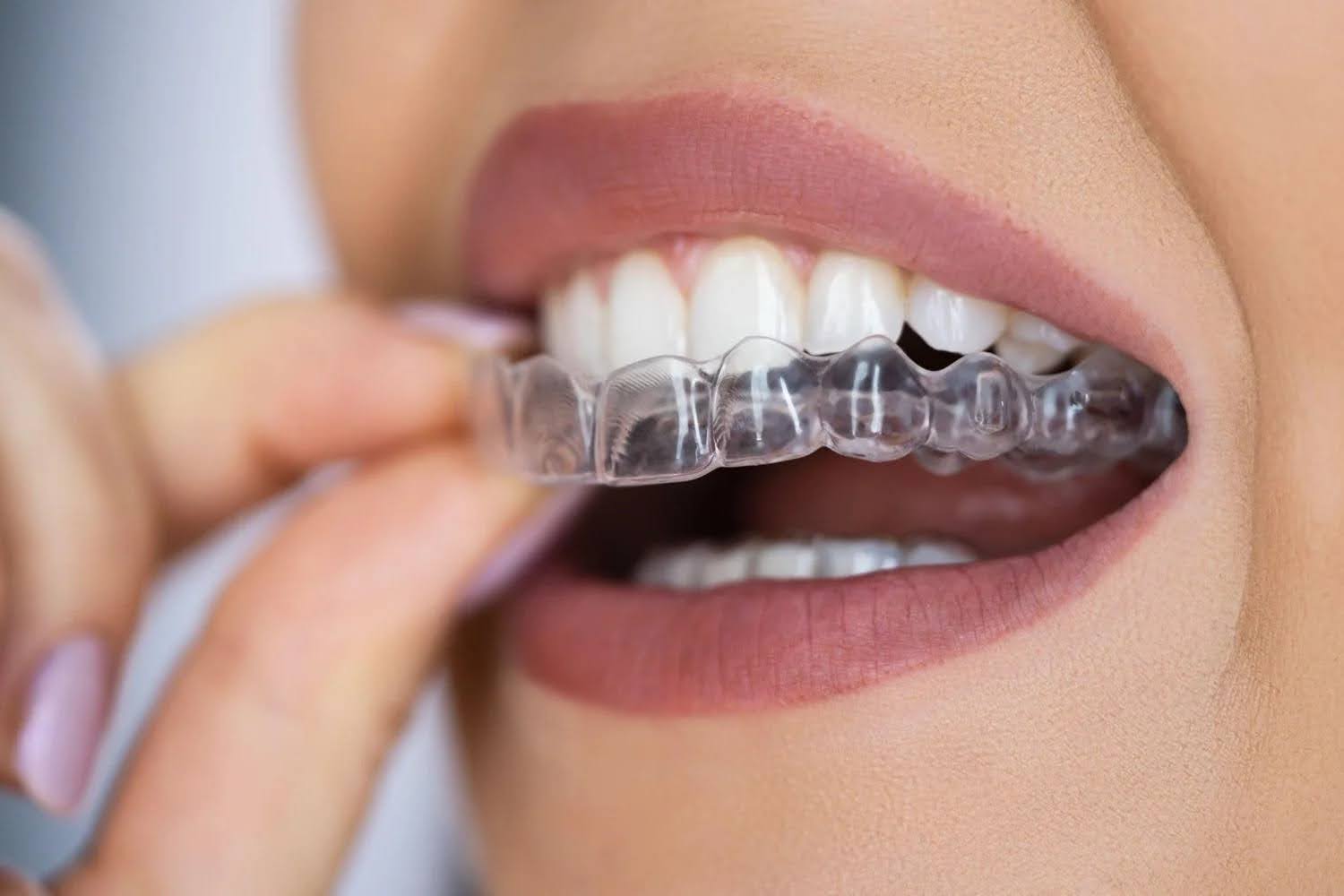
An Invisalign evaluation begins with a comprehensive orthodontic consultation. During this visit, the orthodontist examines tooth alignment, bite function, and jaw movement while discussing the patient’s concerns and goals.
Digital scans are then taken to create a detailed 3D model of the teeth. These scans, along with photographs and X-rays, allow for a thorough bite analysis and help determine whether the issue is dental, skeletal, or a combination of both.
If Invisalign is a suitable option, a customized treatment plan is developed showing how the teeth are expected to move over time. Patients are also informed about alternative options, including braces, so they can make a fully informed decision.
Meet the Orthodontic Team
At Michael Sokoloff Orthodontics, bite correction is approached with careful diagnosis and individualized planning rather than one-size-fits-all solutions.
Dr. Michael Sokoloff brings extensive experience in both Invisalign and traditional orthodontics, focusing on creating balanced bites that support long-term comfort and stability.
Dr. Matt Campbell emphasizes clear communication, helping patients understand not just what treatment is recommended, but why it is the best option for their specific bite.
Areas We Serve
Patients seeking orthodontic care for bite concerns come from across the region, including Elmsford, Scarsdale, and communities throughout Westchester. Many families are looking for clear guidance on Invisalign versus braces and value treatment plans that balance effectiveness with everyday convenience.
Frequently Asked Questions
Can Invisalign fix crossbite and underbite without surgery?
In some mild cases, yes. Dental bite issues often respond well to Invisalign, while skeletal problems may require braces or surgical evaluation.
Is Invisalign as effective as braces for bite problems?
For certain cases, Invisalign can be just as effective. Braces still offer greater flexibility for complex or skeletal bite corrections.
How long does Invisalign take for bite correction?
Treatment length varies, but many bite correction cases fall between 12 and 24 months depending on complexity and aligner wear.
Are teens good candidates for Invisalign with bite issues?
Many teens do well with Invisalign, especially when they are consistent with wear. More complex bite problems may still benefit from braces.
How do I know if my bite issue is dental or skeletal?
Only a professional orthodontic evaluation with imaging and bite analysis can determine the true cause.
Making the Right Choice for Bite Correction
Invisalign can be an effective solution for certain cases of crossbite and underbite, particularly when the issue is primarily related to tooth position rather than jaw structure. For patients with more complex or skeletal bite concerns, braces or combined treatment approaches are often necessary to achieve a stable, long-term result that supports proper function and comfort.
Because every bite is different, a thorough orthodontic evaluation is essential before deciding on treatment. At Michael Sokoloff Orthodontics, treatment recommendations are based on detailed bite analysis and long-term outcomes, not one-size-fits-all solutions. With the right diagnosis and a personalized plan, patients can move toward a healthier, more comfortable bite—whether that path includes Invisalign, braces, or a carefully planned combination of both.
Schedule a Bite Evaluation
If you’re unsure whether Invisalign is right for your crossbite or underbite, the next step is a professional orthodontic evaluation. A detailed exam can determine whether your bite concerns are dental or skeletal and which treatment approach is most likely to deliver a stable, comfortable result.
Michael Sokoloff Orthodontics offers personalized bite assessments using modern diagnostic tools and clear, straightforward guidance. Scheduling a consultation allows you to get answers specific to your bite, understand your treatment options, and move forward with confidence—whether Invisalign, braces, or another approach is recommended.
 Facebook
 Instagram
 Twitter